
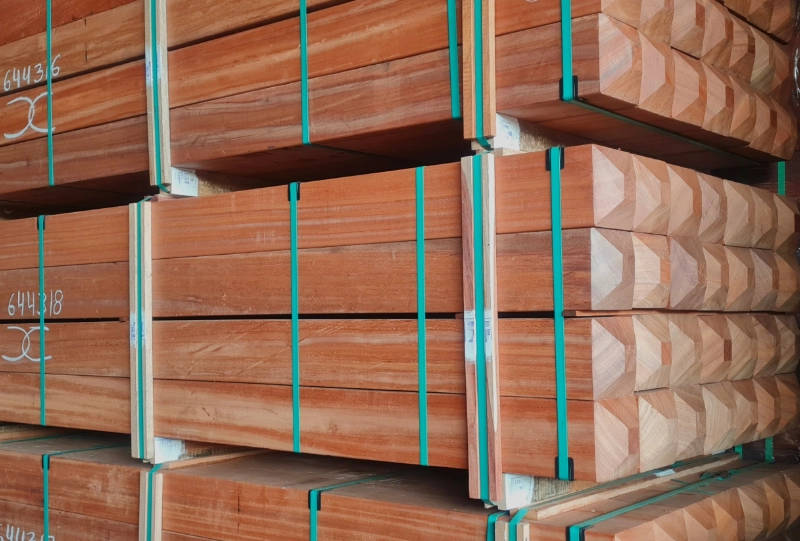






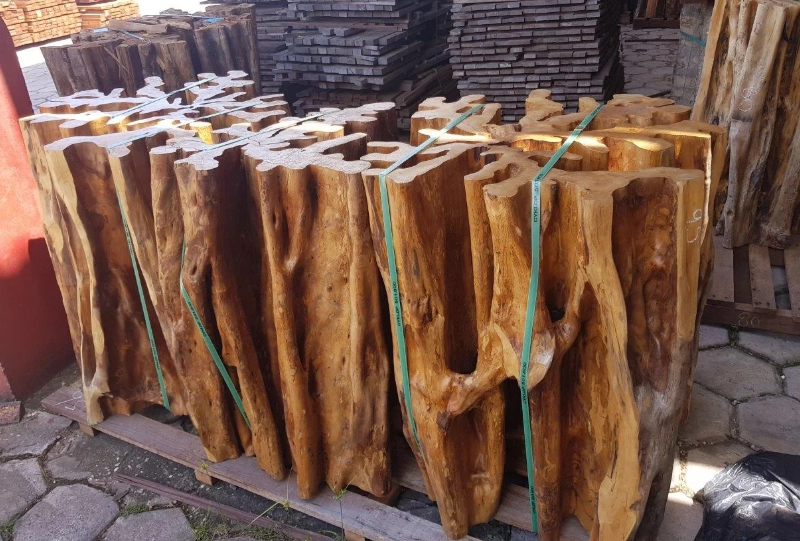
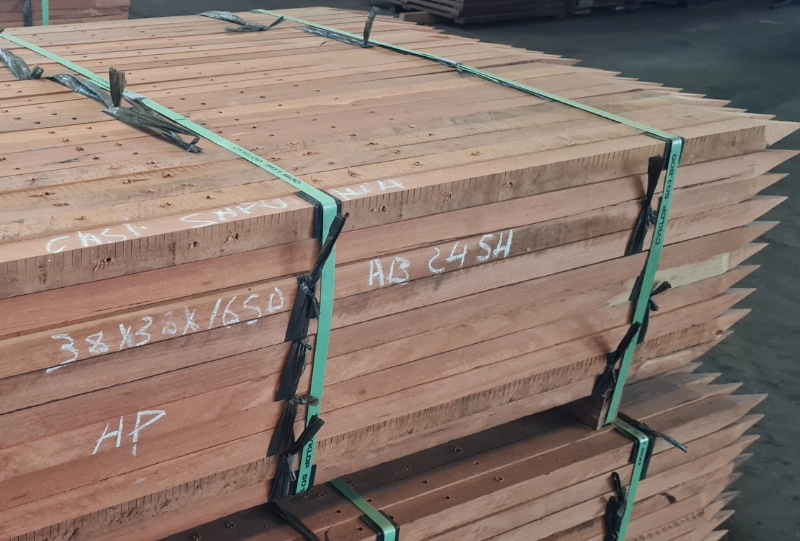


























































Responsible Timber Supply

Responsible sourcing is a central part of our business.

All timber is procured in accordance with applicable European regulations, including EUDR and EUTR requirements, and where applicable under FSC certification.

We work only with established supply partners who meet documented origin, legality and traceability requirements.

Where required, full documentation can be provided for compliance and due diligence procedures.

What does sustainable forest management mean in practice?

 A PMFS is not a voluntary concept but a mandatory, regulated process that must be approved by the competent environmental authorities. It defines in detail:

• Which area may be used,
• Which tree species and individual trees may be harvested,
• How the harvest is carried out (e.g., with techniques to minimize damage),
• And how long the area must rest afterward for regeneration.

Without an approved PMFS, legal timber harvesting is not permitted. Violations can lead to severe sanctions – including the withdrawal of official authorization and the suspension of operations. Forest management is therefore not a matter of discretion but a clearly regulated framework.

Selective harvesting instead of clear-cutting

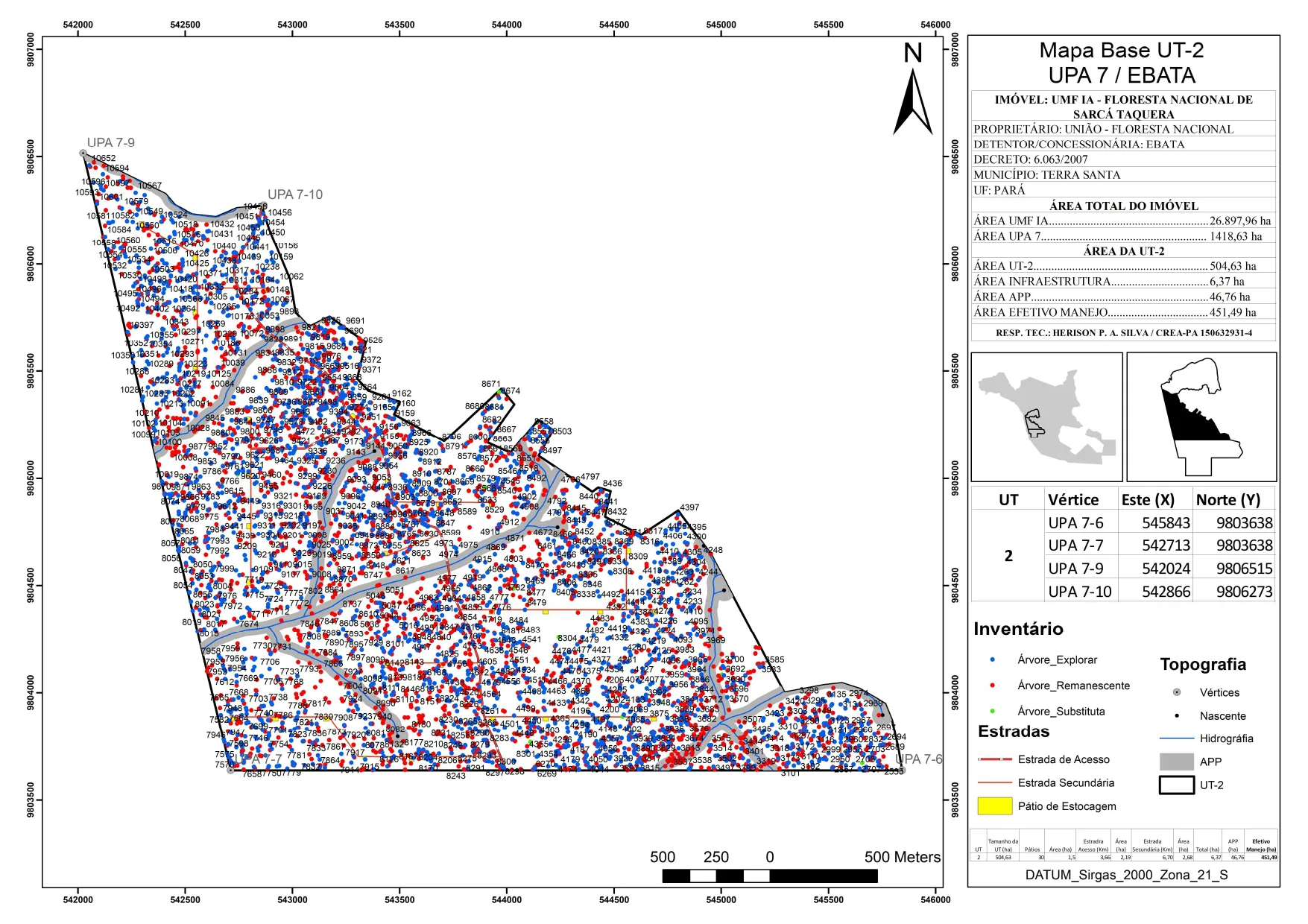
A central principle of sustainable forest management is selective use. Only a few pre-defined trees per hectare are removed. The majority of the forest structure remains intact. To make this possible, the forest is fully surveyed beforehand:

• 100% inventory with mapping of all relevant trees,
• Designation of permanent protection areas (e.g., riparian zones, conservation areas),
• Planning of access routes and log yards with minimal impact,
• And guidelines for protecting the remaining stand during harvesting.

The goal is to minimize damage to soil, young growth, and neighboring trees, and to enable natural regeneration.

Long harvest cycles and regeneration

Sustainability is also reflected in time. Managed areas are divided into operational units, of which only a small portion is used each year. A long resting phase follows. Depending on the region and legal requirements, harvest cycles in Brazil typically range from 25 to 35 years. During this time, the forest regenerates, remaining trees continue to grow, and new trees can establish. Development is monitored and documented to ensure compliance with regulations.

Protection of soil, water, and biodiversity

A PMFS considers not only timber harvesting but also the preservation of key ecological functions. These include:


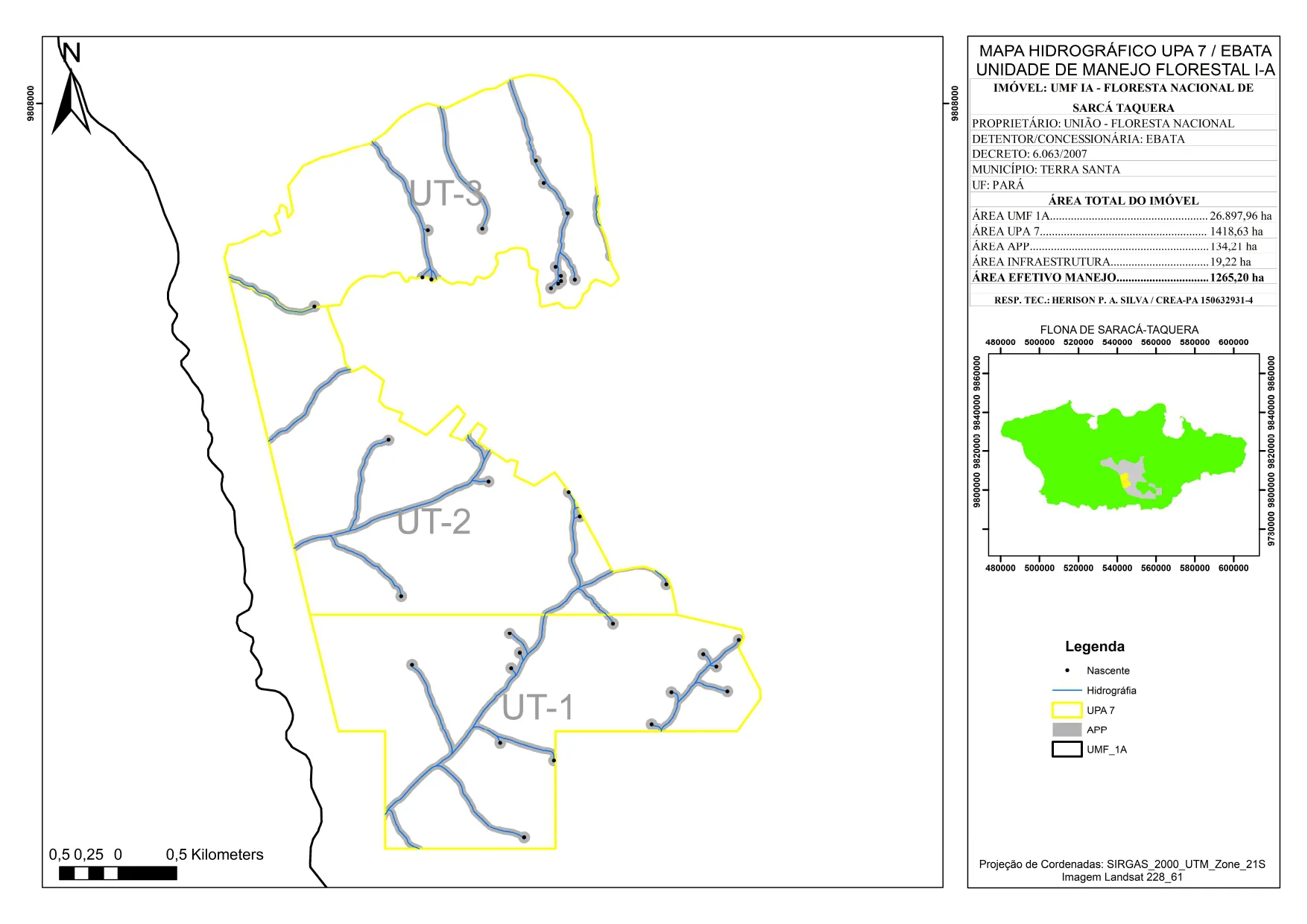
• Protection of waterways through permanently excluded riparian zones,
• Preservation of seed trees and ecologically valuable areas,
• Measures to prevent soil erosion,
• And long-term safeguarding of biological diversity within the stand.

These protective mechanisms are an integral part of planning, not an optional addition.

1. Map/inventory with marked trees and protected areas:
2. Overview map (hydrographic map) with marked paths/waterways/units:
Why regulated use can protect forests

A frequently overlooked connection: forests without regulated economic use face higher pressure for conversion. If forest is perceived only as an obstacle, the risk of permanent destruction increases.
Sustainable forest management takes a different approach: it links use with conservation. The forest remains forest because it can be used under clear rules and does not need to be converted.

Social responsibility on the ground

Sustainable forest management has ecological as well as social impacts. It creates qualified jobs, requires trained professionals, and offers in many regions a legal alternative to illegal use or unregulated land conversion.
It contributes to local value creation and strengthens structures that are oriented toward long-term forest conservation.

Traceability: from forest to market

Another crucial aspect is traceability. Timber from sustainable forest management is recorded and monitored through official systems – including SINAFLOR and government-controlled transport documents such as DOF or GF.
This documentation enables:

• Tracing of quantities and origin,
• Controls during transport and at storage sites,
• And clear distinction from illegally sourced timber.


For the market, this means: the wood does not come from “somewhere,” but from an authorized and controlled supply chain.

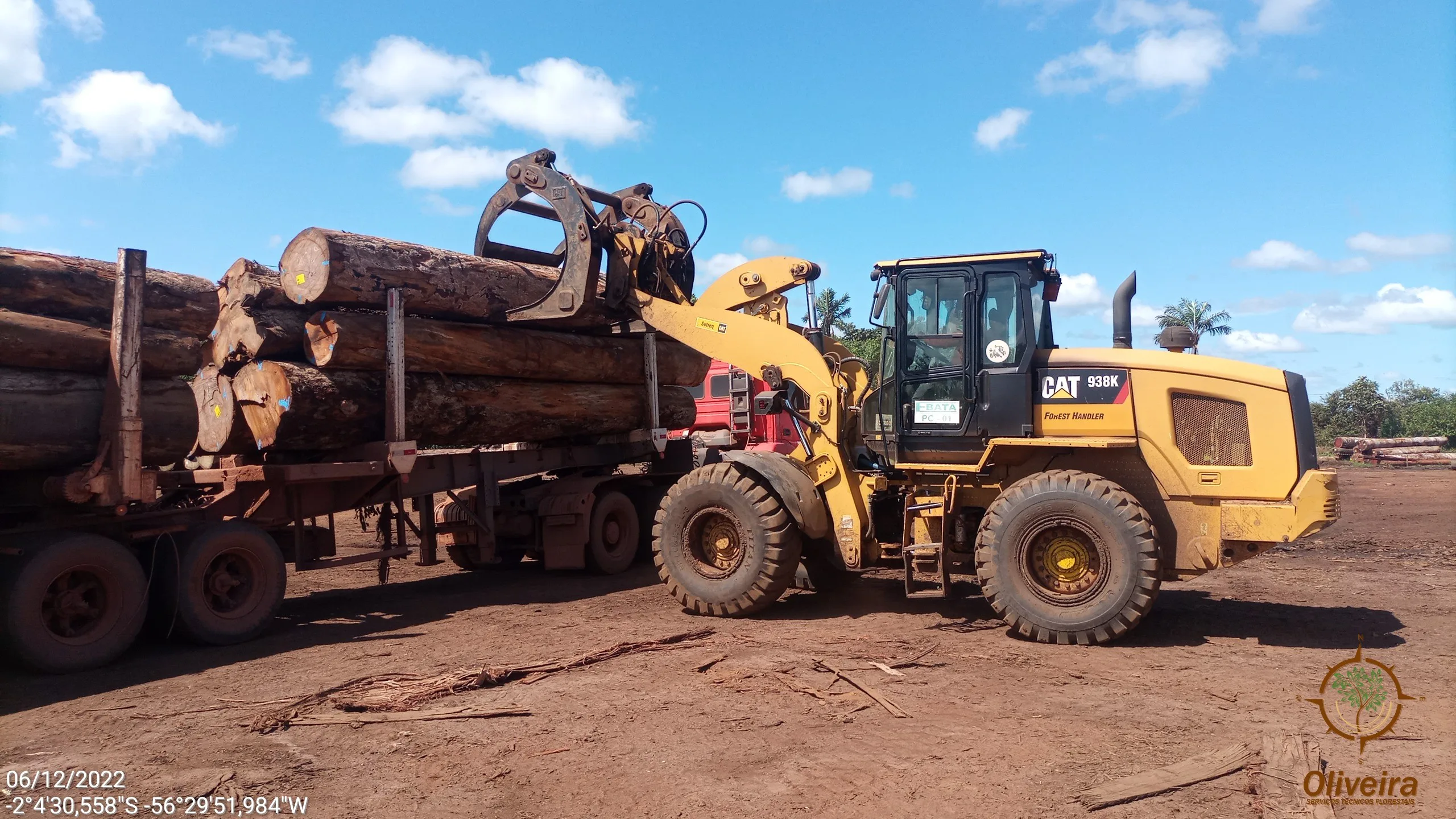
3. Logistics/log loading with visible data (date/GPS):
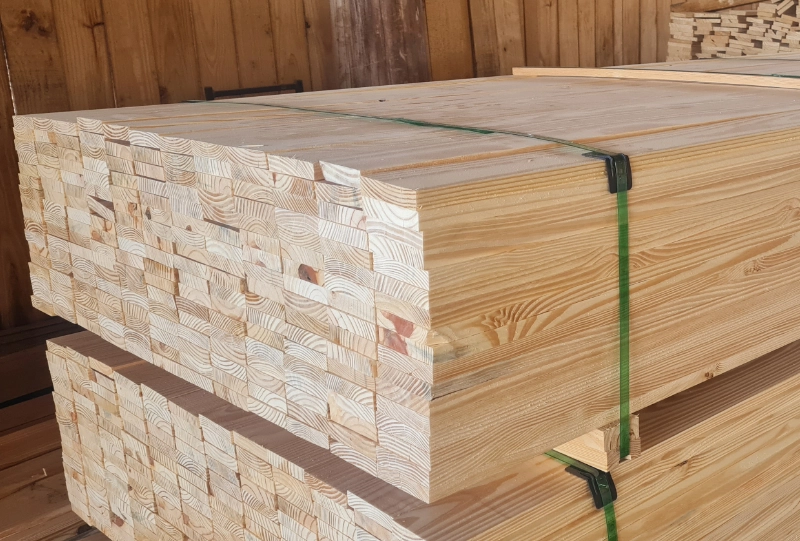
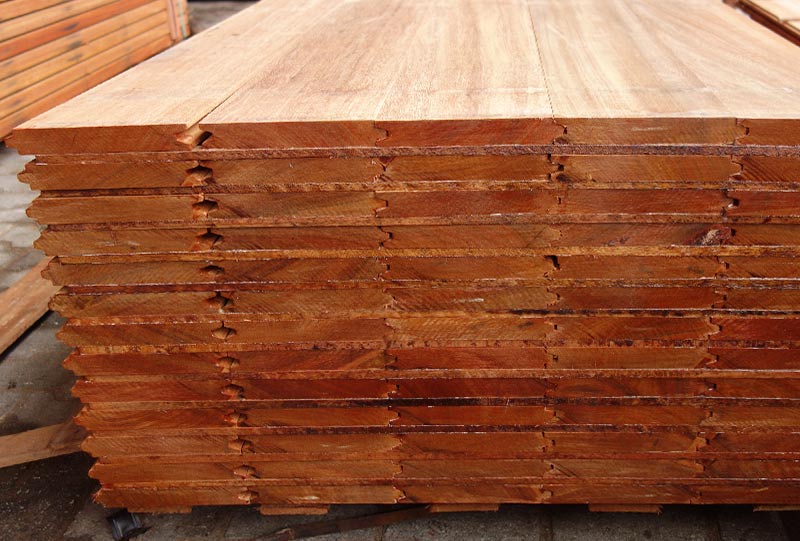
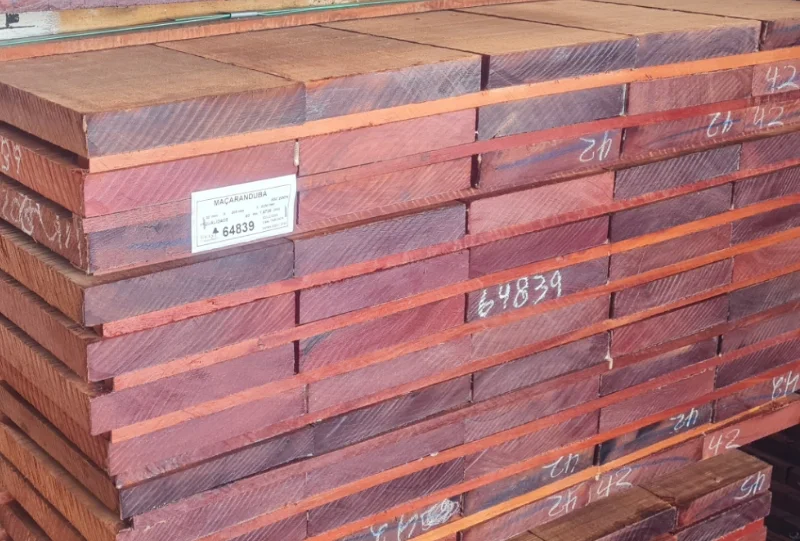
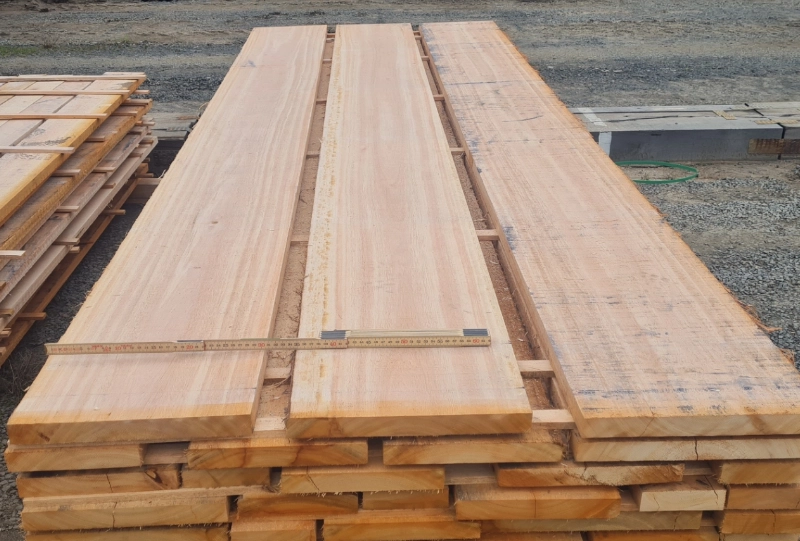
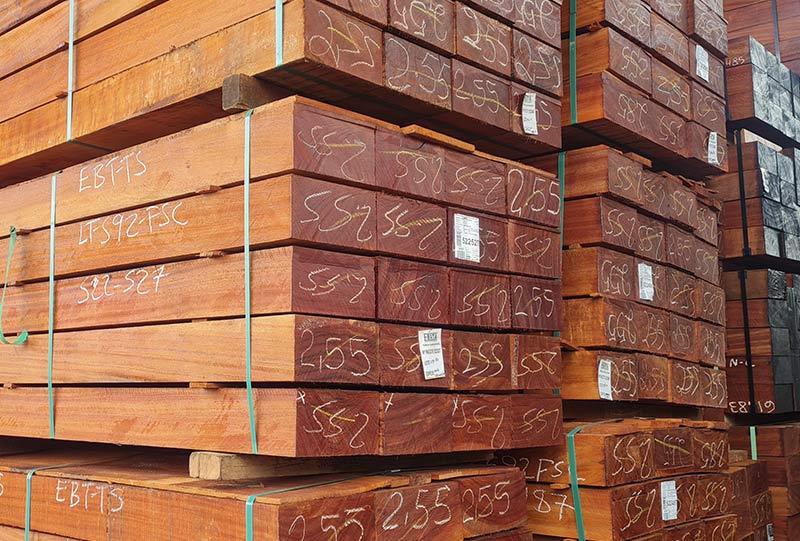
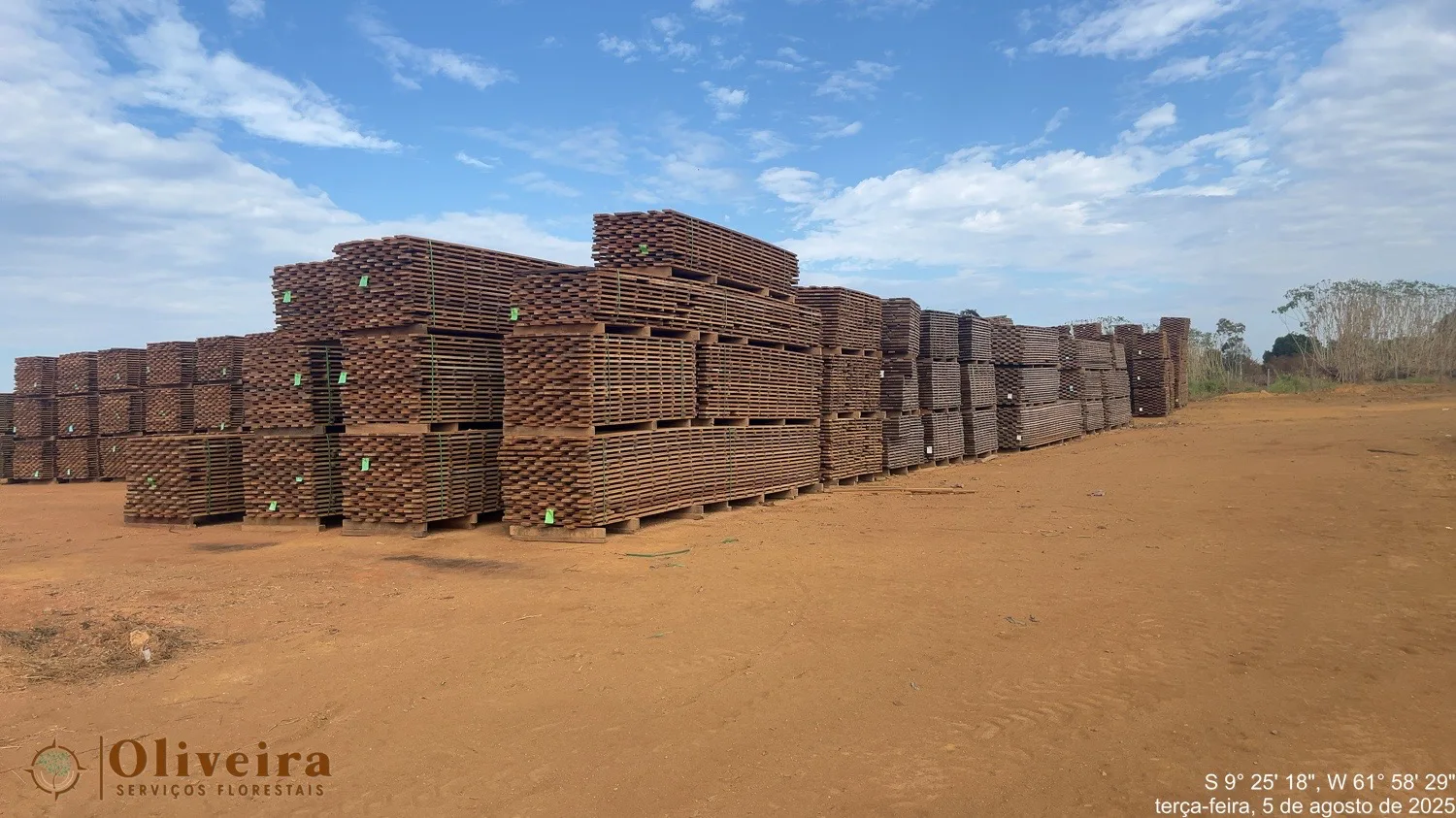
4. Lumber neatly stacked in the open air at the sawmill for preliminary drying.
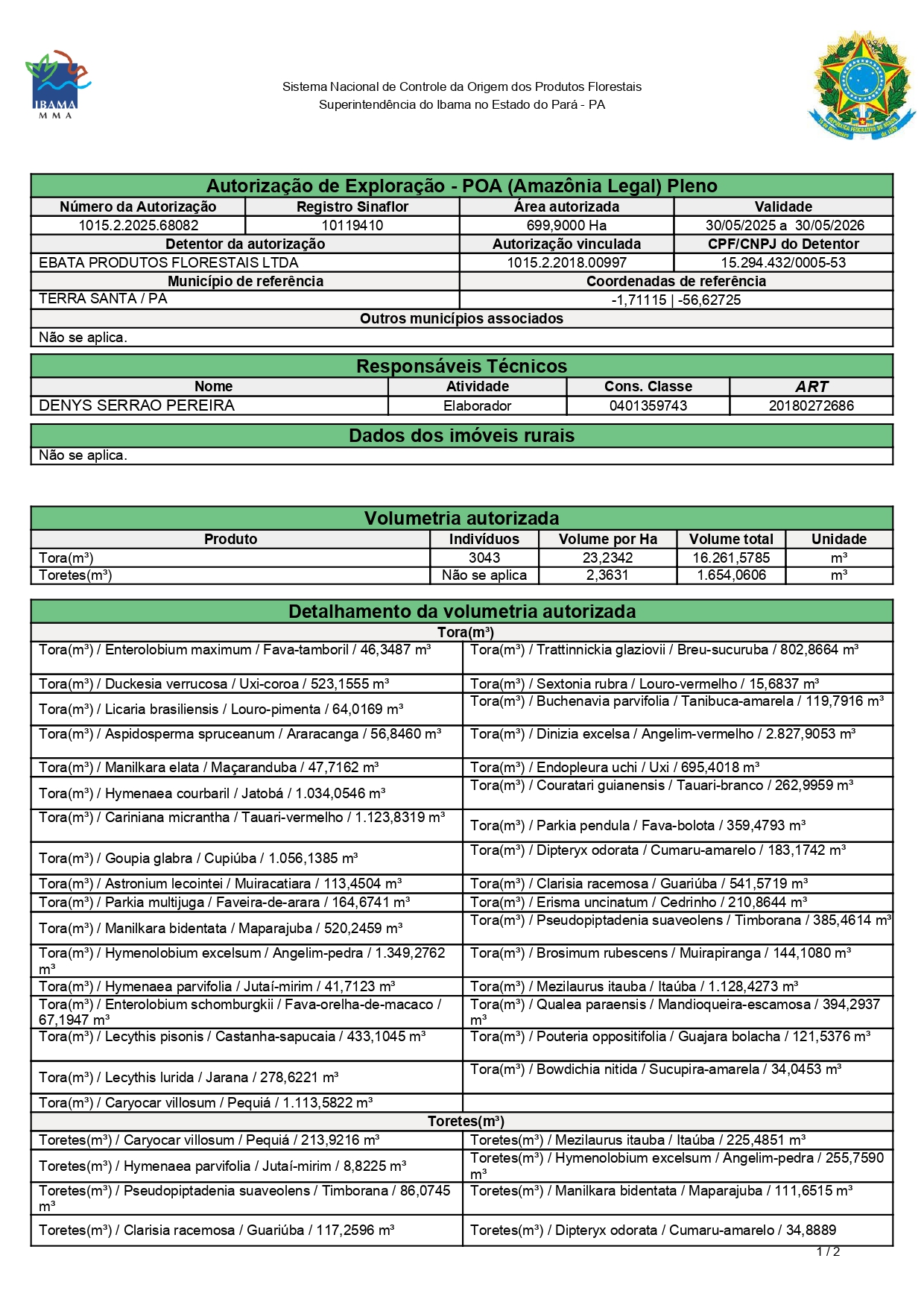
Autorização Para Exploração Florestal (AUTEX – PMFS)

– The forest exploitation permit is a document issued by the competent authority that authorizes the start of timber harvesting in the UPA and specifies the maximum volume per tree species.

The AUTEX is valid for 12 months and can be extended for a further 12 months, provided that there are valid reasons for doing so: